
Simultaneous Interpretation vs. AI Real-Time Interpretation: What’s the Difference? Key Differences and Practical Implementation Guide (2026)
How human simultaneous interpretation and AI real-time interpretation really compare, and clear criteria for choosing the right one for your company.
* As global business continues to expand, more professionals are asking, “Is it safe to use AI interpretation for an important meeting with overseas buyers?”
* However, with so many AI interpretation services entering the market, it can be difficult to determine how they truly compare with professional human interpreters in terms of cost, speed, and accuracy.
* This article provides clear, practical criteria—supported by objective data and comparison tables—to help you decide when to adopt AI interpretation and when to hire a professional interpreter.
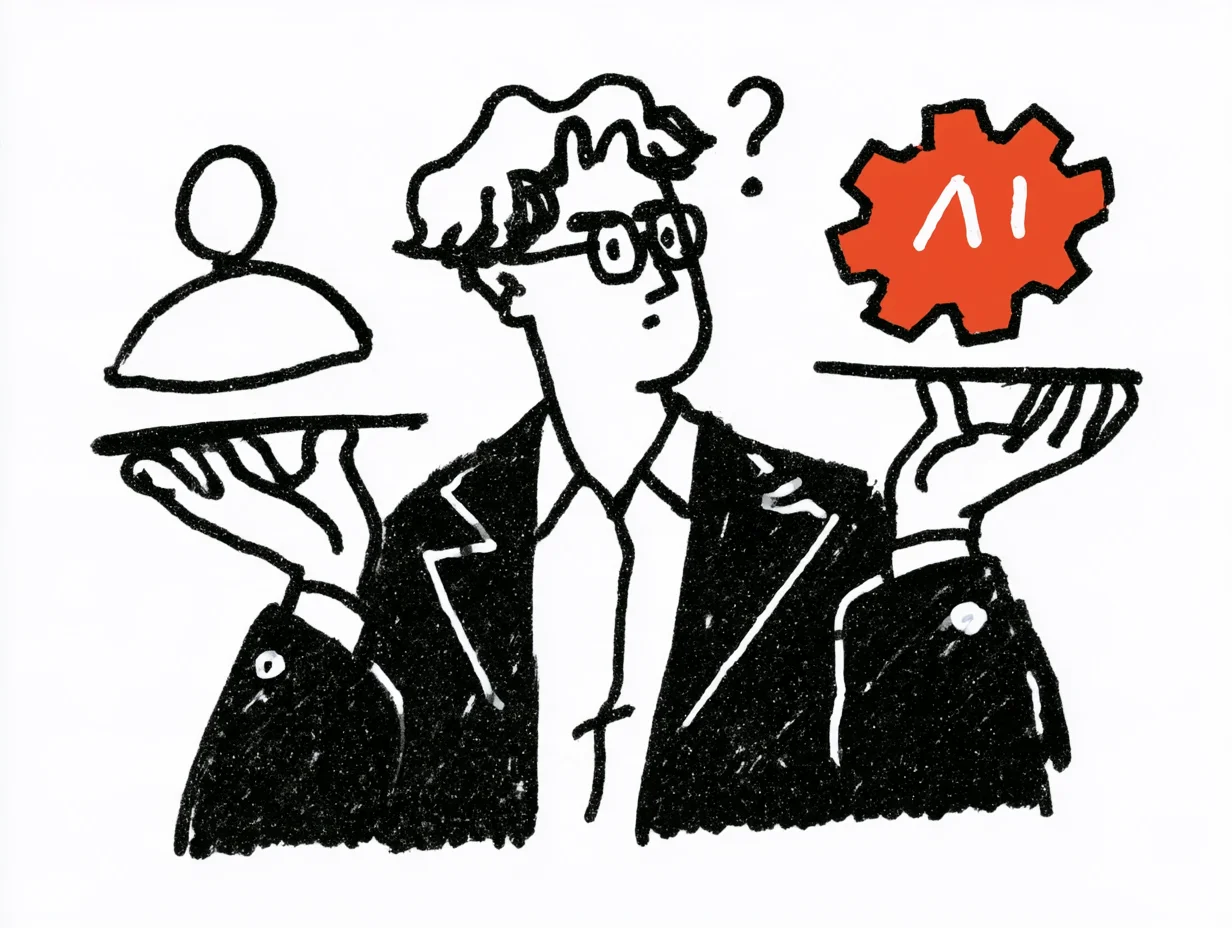
“We have an important meeting with an overseas buyer. Should we use AI interpretation, or should we hire a professional interpreter?”
This has become one of the most common questions among professionals working in global business. As AI technology advances, “AI simultaneous interpretation”—which enables real-time multilingual communication through video conferencing platforms or dedicated solutions—is rapidly gaining traction.
However, unlike simple text translation, interpretation requires businesses to consider the flow of conversation, latency, and the immediate risks that mistranslations may create.
This article defines the often-ambiguous concept of AI real-time interpretation and provides an at-a-glance comparison of its quantitative and qualitative differences from professional simultaneous interpretation, covering everything from cost and latency to accuracy.
🔍 What Is AI Real-Time Interpretation, and How Does It Work?
First, it is important to distinguish between translation and interpretation, as the terms are often used interchangeably. The key questions are: “Is the output delivered as speech?” and “Does it happen in real time?”
| Term | Input → Output | Processing | Example |
|---|---|---|---|
| Translation | Text → Text | Non-real-time | Translating documents and emails, localizing manuals |
| Translated Captions | Speech → Text captions | Real-time | Viewing another speaker’s words as captions in your language during a meeting |
| AI Real-Time Interpretation (S2ST) | Speech → Speech (+ captions) | Real-time | Hearing a natural spoken interpretation in your language as the other person speaks |
In business meetings, where rapid back-and-forth dialogue and eye contact matter, there is a significant difference between reading captions on a screen and hearing the interpretation directly.
AI real-time interpretation essentially processes a three-stage pipeline in real time: listening to speech through speech-to-text (STT) → translating it with machine translation (MT) → speaking it aloud through text-to-speech (TTS).
⏱️ Latency Comparison: Does the Conversation Flow Naturally?
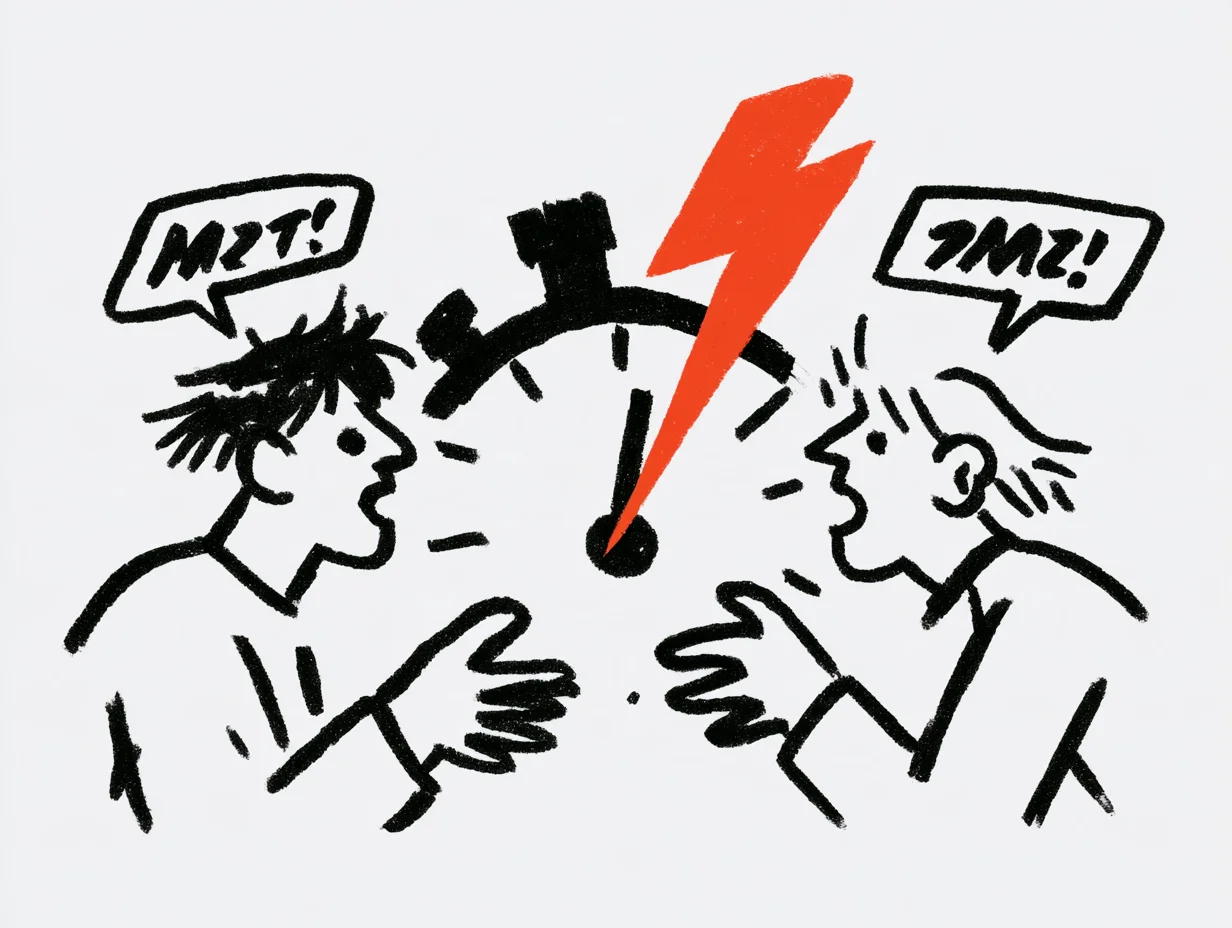
One of the most important factors determining interpretation quality is latency, also known as the Ear–Voice Span (EVS). The longer the gap between the original speech and the interpreted output, the more disruptive the experience becomes.
| Interpreter Type | Latency (EVS) | Practical Experience | Source |
|---|---|---|---|
| Human simultaneous interpreter | 2–4 seconds on average | Maintains the flow of conversation; considered the ideal benchmark | Multiple EVS studies in interpreting research, including Gerver and Lee |
| Latest LLM-based AI interpretation | 4.5 seconds on average | Approaches human simultaneous interpretation and is suitable for practical use | Fantinuoli study (2025) |
| Conventional commercial AI interpretation | 8–12 seconds | Interrupts conversational rhythm and creates awkward pauses | Fantinuoli study (2025) |
| Ultra-low-latency AI model | 0.55–1.25 seconds for STT + MT | Feels almost instantaneous | Based on Flitto’s own demonstration data |
Pre-adoption checkpoint: For AI interpretation to genuinely feel “real-time,” the output should be delivered within four seconds. Before adopting a service, run a demo and use a stopwatch to measure the time between the end of the original utterance and the moment the interpreted speech reaches the listener.
🆚 Overall Comparison: Professional Simultaneous Interpreters vs. AI Real-Time Interpretation
The table below provides a direct comparison between professional simultaneous interpreters and AI real-time interpretation.
| Category | 🧑💼 Professional Simultaneous Interpreter | 🤖 AI Real-Time Interpretation |
|---|---|---|
| Cost | KRW 1 million or more per session, with additional costs for each language | Approximately KRW 50,000 per day or KRW 7,000–9,000 per hour—around 20 times more affordable |
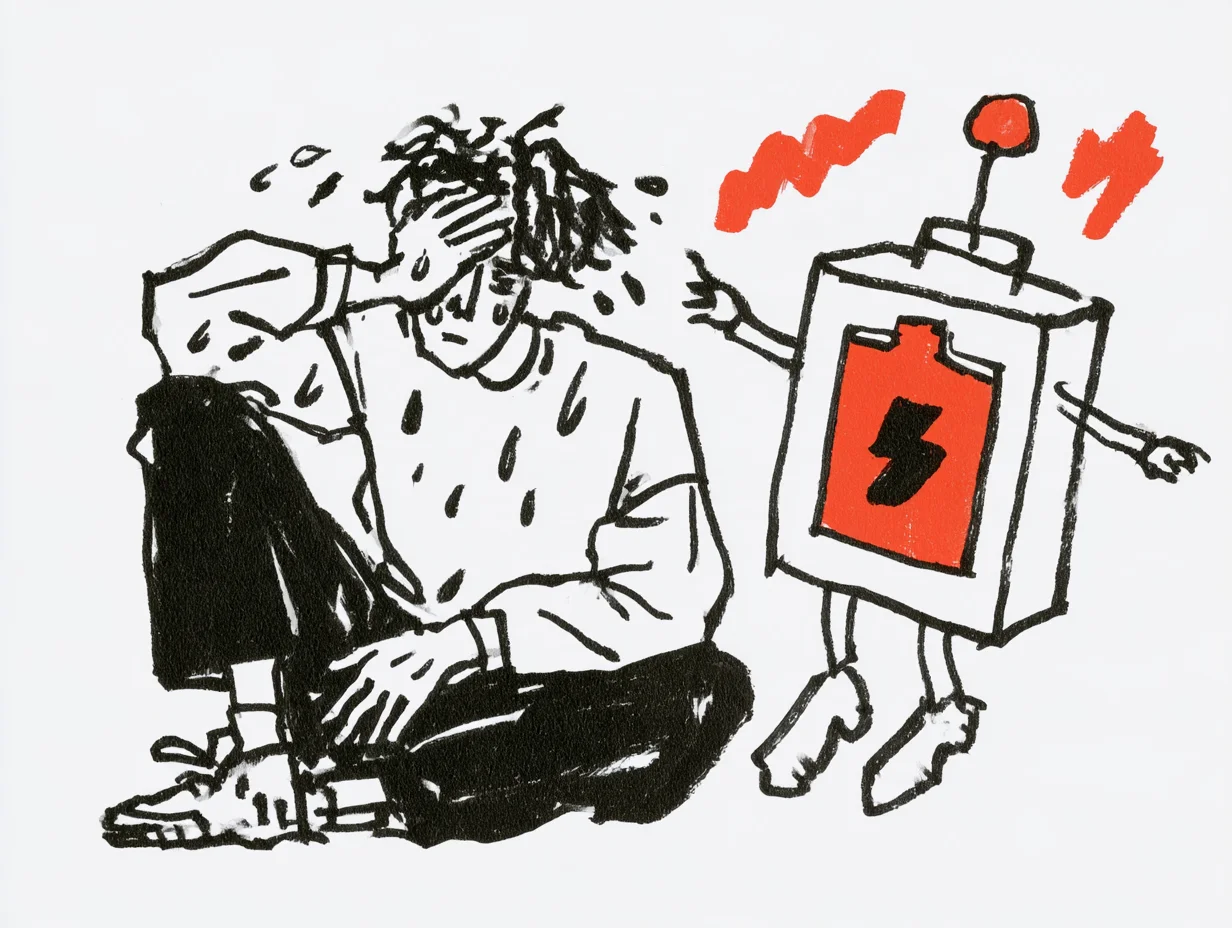
| Endurance | Requires rotation every 20–30 minutes due to cognitive load; usually works in teams of two | Can operate continuously, 24 hours a day, without fatigue |
| Scalability | Costs increase proportionally as additional language interpreters are added | Supports simultaneous output in dozens of languages, with little to no marginal cost for adding languages |
| Preparation and Booking | Must be booked weeks in advance and requires pre-event briefings and extensive reference materials | Can be used immediately, with industry terms added through an in-platform glossary |
| Nuance and Cultural Mediation | Adapts jokes, indirect language, and potentially offensive expressions to the cultural context | Tends toward literal interpretation and cannot reliably mediate cultural context or interpersonal nuance |
| Self-Correction | Can recognize and immediately correct an interpretation error | May fail to recognize an error and deliver the mistranslation without correction |
| Records and Documentation | Interpretation is not automatically preserved; a separate stenographer or note-taking process may be required | Can automatically generate source transcripts, translated records, and summaries, depending on the service |
| Best-Suited Business Situations | Final contract negotiations, legal disputes, and high-stakes government or executive-level events | Buyer prospecting, recurring meetings, exhibition booths, and internal multilingual meetings |
The implications are clear. Human interpreters specialize in risk management and high-context communication, while AI interpretation holds a significant advantage in cost efficiency, immediate availability, and automated recordkeeping.
✅ Practical Conclusion: A Dual-Track Strategy, Not a Question of Replacement
Even Nimdzi, one of the interpretation industry’s leading research organizations, predicts that human interpreters will remain indispensable for high-risk, high-value communication despite the continued expansion of machine interpretation.
The practical question, therefore, should not be, “Will AI replace human interpreters?” It should be, “Which meetings should use AI interpretation?”
* Use AI interpretation when:
* You frequently hold recurring status meetings with established overseas partners.
* Buyers from three or more countries are attending an exhibition, conference, or webinar that requires simultaneous multilingual interpretation.
* Your team needs immediate English or multilingual meeting minutes and action items after each meeting.
* Hire a professional interpreter when:
* A mistranslation of even a single word or contractual clause could result in significant financial loss during final negotiations.
* A dispute, complaint, or claims-resolution meeting requires careful management of emotional tone, nuance, and the relationship between both parties.

❓ Frequently Asked Questions
Q. Is AI real-time interpretation accurate enough to trust?
AI interpretation has already reached a practical level for everyday business conversations. The most important variables are specialized terminology and background noise.
Accuracy can improve dramatically when company-specific product names, industry standards, and technical terms are added to the glossary before a meeting. In one Korean demonstration involving medical terminology, approximately 90% accuracy was achieved after relevant terms were registered in advance.
Q. Does real-time interpretation work well for languages with different word orders, such as Korean and English?
Interpreting Korean, which generally follows a subject–object–verb structure, into English, which follows a subject–verb–object structure, is technically challenging because the system often has to wait until the latter part of a Korean sentence to identify the verb and finalize the translation.
As a result, even a market-leading global service may perform well between European languages while delivering lower-quality Korean interpretation. Always test the service in the language pair your company actually uses, such as Korean–English, through a live real-time demonstration.
Q. Is there a noticeable difference between translated captions and spoken interpretation?
Yes, the difference is substantial. With captions, users must keep their eyes fixed on the lower part of the screen, which can interfere with eye contact and increase fatigue.
With spoken interpretation, the translated audio is delivered through an earphone or speaker as soon as the other person finishes speaking. This allows participants to maintain a much more natural conversational rhythm and a stronger sense of control during the discussion.
🏃 Get Started
If you would like to experience the AI real-time interpretation introduced in this article, you can get started with Hudson AI Live.
Simply provide details such as the event name, date and time, and expected number of participants. Our sales team will review your request and contact you shortly.
🔍 Further Reading
- 🔍 Real-Time Interpretation Solutions Comparison: EventCAT, Flitto Live vs. Hudson Live: Compare real-time interpretation solutions based on event objectives and audience participation methods.
- 🚨 Avoid Interpretation Failures at Global Events: Review the audio, terminology, and operational requirements that apply whether you choose human or AI interpretation.
- 🏟️ KBO Global Broadcast: AI Live Interpretation: See how AI interpretation can preserve the emotion and intensity of sports commentary in a real-world application.
Run your next event without booths or receivers
Tell us your event name, dates, expected headcount, and target languages, and our team will put together the plan that fits.