
"The Interpretation Was a Mess": A Practical Checklist to Prevent the Worst Feedback at Global Events
This article presents a 3-step practical guide (glossary creation, audio setup, and presentation etiquette) that organizers and speakers must follow to prevent critical interpretation errors at multilingual business events.
- To prevent a carefully planned global event from falling apart over a single mistranslated term, you cannot rely solely on the skill of the interpreter—or the AI.
- The real causes of critical mistranslations are often hidden in the environment: an incomplete glossary, poor on-site audio, and uncontrolled speaking habits.
- Discover the three-step mistranslation prevention checklist that event organizers and speakers should complete in advance to ensure successful multilingual business communication.
“It was the name of our company’s core new technology, but it was interpreted as a completely different common noun. As a result, the buyers could not understand the presentation at all.”
For organizers of global conferences and multilingual business events, few moments are more alarming than the instant a mistranslation occurs. Months of preparation and a substantial budget can lose their value because of a single mistranslated word or sentence.
Whether you hire professional simultaneous interpreters or adopt the latest AI-powered real-time interpretation solution, the risk of mistranslation always remains. Here is a practical guide to preventing mistranslations—covering the essential steps that organizers and speakers should take before a multilingual event.
🔍 Why Do Mistranslations Occur at Events?
Preventing mistranslations begins with accurately identifying what causes them. Regardless of whether the interpreting is performed by a human or AI, the four leading causes of on-site mistranslation are as follows.
| Key Cause | How It Occurs | Most Vulnerable Interpreter |
|---|---|---|
| Lack of Context (Proper Nouns) | Internal abbreviations, unreleased product names, or highly specialized industry jargon appear without prior notice | Both human interpreters and AI |
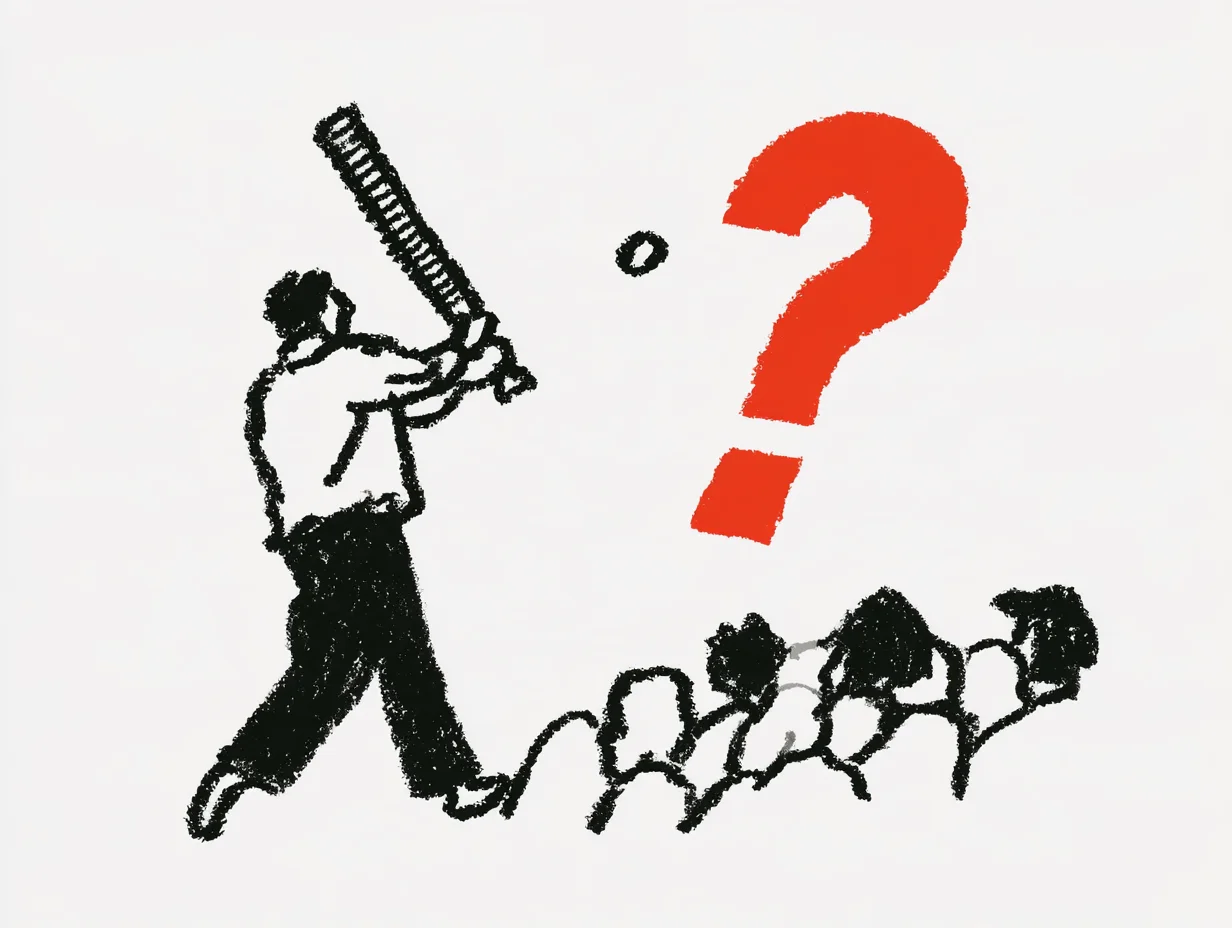
| Context-Dependent Metaphors and Jokes | Proverbs, sports metaphors (e.g., “We hit a home run”), or wordplay that only makes sense in a particular country or culture | AI in particular |
| Poor Audio Quality | Microphone feedback, heavy background noise, or indistinct speech produces an unclear input signal | Both; AI may generate speech-to-text errors |
| Uncontrolled Speaking Speed | A speaker rushes through a script to stay within the allotted time, or multiple people speak simultaneously | Human interpreters in particular, due to cognitive overload |
📚 Step 1: Build and Share a Complete Glossary
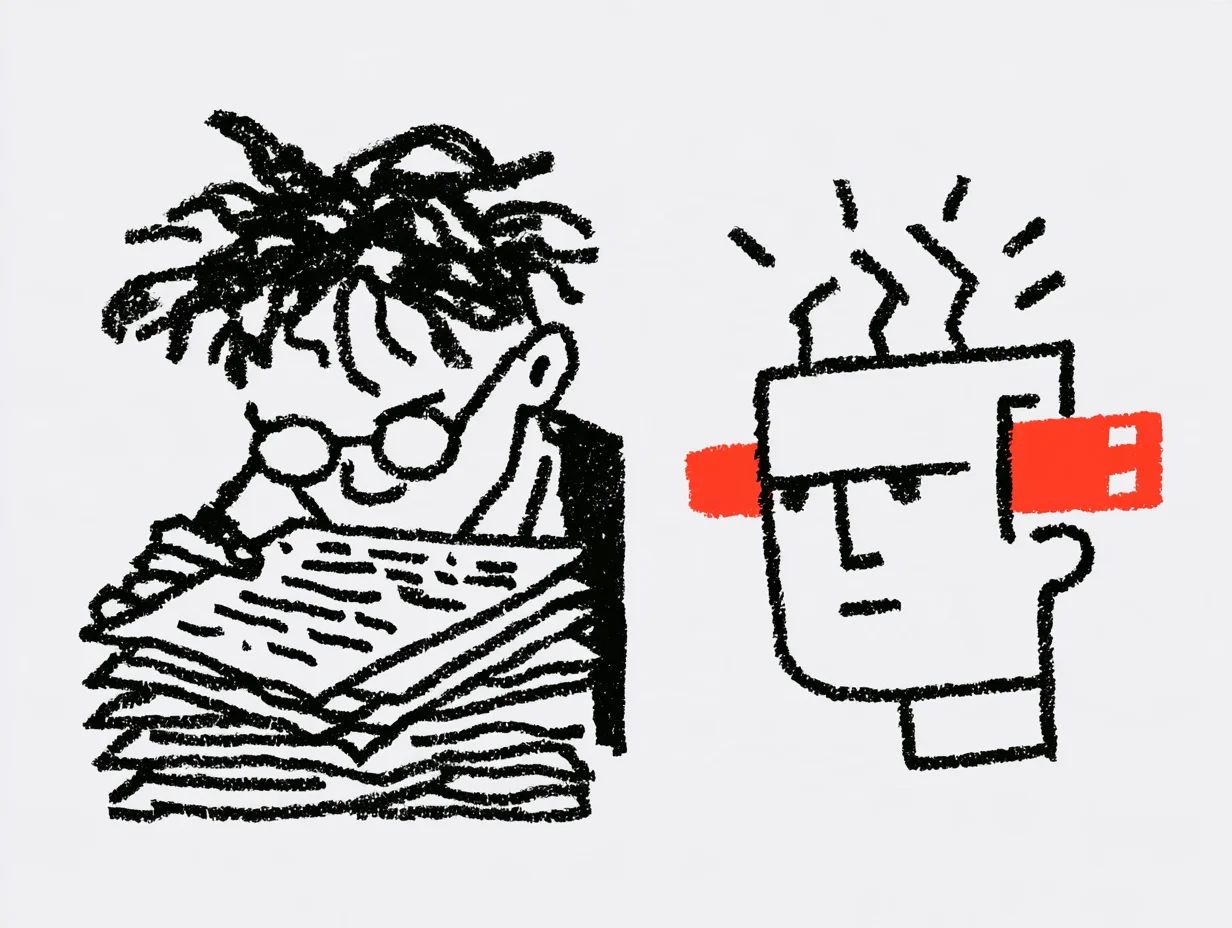
A glossary is the most powerful and reliable tool for preventing mistranslations. Whether the interpreting is handled by AI or a human professional, proper nouns that have not been provided in advance must be inferred on the spot.
- Essential entries: Include company names, department names, new product names, project code names, industry-specific terminology, and frequently used internal abbreviations.
- Expand English abbreviations: Unless an abbreviation is universally recognized, such as “TBA” or “ROI,” always include its full form and meaning.
- Register terms in the system: When using an AI interpretation solution, upload the glossary—typically as an Excel file—a few days before the event so the system can prioritize those terms.
- Share presentation materials in advance: Provide the slide deck and speaker script, even if they are still drafts, at least three days beforehand so the interpreter or AI system can understand the overall structure and context.
🎙️ Step 2: Audio Quality Determines Interpretation Quality
“Clear input enables clear interpretation.” Audio that sounds muffled or cuts out to the human ear can also cause critical errors in an AI speech-to-text (STT) engine.
- Use a direct audio connection: Do not capture sound from the venue speakers through an ambient microphone. Route the audio directly from the mixing console to the interpreter console or AI system via line-in.
- Follow microphone best practices: If a speaker moves around the stage while wearing a lavalier microphone, make sure it does not rub against their clothing. A fixed podium microphone or headset microphone generally provides the most پاتې stable audio.
- Conduct a rehearsal: On the morning of the event, test the interpretation audio under acoustic conditions that account for the audience’s presence, rather than testing only in an empty venue.
🗣️ Step 3: Give Speakers an “Interpretation-Friendly” Presentation Guide
Event organizers should inform speakers in advance that multilingual interpretationfang will be provided and share presentation guidelines tailored to that setting.
- Use an appropriate pace and intentional pauses: Speak about 10–15% more slowly than usual, and pause deliberately for one to two seconds when changing slides or moving to a key topic. These pauses give the interpreter—or AI system—the time needed to finish rendering the previous sentence.
- Avoid highly localized expressions: Phrases such as “It’s the bottom of the ninth with two outs” or culture-specific proverbs may not resonate with international audiences and can easily lead to mistranslation. Use clear, universally understandable comparisons instead.
- Articulate numbers and proper nouns clearly: Critical data that must not be misinterpreted—such as revenue figures, years, and product names—should be pronounced more clearly than usual and displayed prominently on the slide.
✅ Recommendations for Successful Global Communication
Even the most skilled simultaneous interpreter or the most advanced AI-powered real-time interpretation model cannot produce flawless results without proper preparation. A smooth, error-free multilingual event is only possible when strong technology is supported by careful terminology management and a reliable audio environment.
For events involving highly specialized terminology, consider an AI solution that enables you to easily build a customized glossary and apply it to the system immediately. Thorough preparation is the key to achieving business outcomes without language barriers.
🏃 Get Started Now
If you want to plan a multilingual event with customized terminology support and reliable real-time voice interpretation—without the risk of critical mistranslations—try Hudson AI Live. Share details such as the event name, date, and number of attendees, and our specialists will review your requirements and recommend the most suitable operating plan.
Run your next event without booths or receivers
Tell us your event name, dates, expected headcount, and target languages, and our team will put together the plan that fits.