
"These Captions Are Cringe": How Event Managers Can Hard-Carry Global Events and Prevent Live Captioning Disasters
This article reveals the essential “3-Step Caption CPR” checklist—glossary preparation, direct audio input, and speaker presentation etiquette—that event managers and speakers need to prevent disastrous real-time captions at global hybrid events.
- Ever wondered how a single wrongly captioned word can instantly turn a high-budget global hybrid event into an absolute comedy show?
- Everyone is quick to blame the AI or the stenographer, but the real "4 Villains" destroying your live caption quality are actually hiding in your event setup.
- Stop crossing your fingers and hoping for the best! Discover the ultimate "3-Step Caption CPR" checklist that every event manager must implement right now.
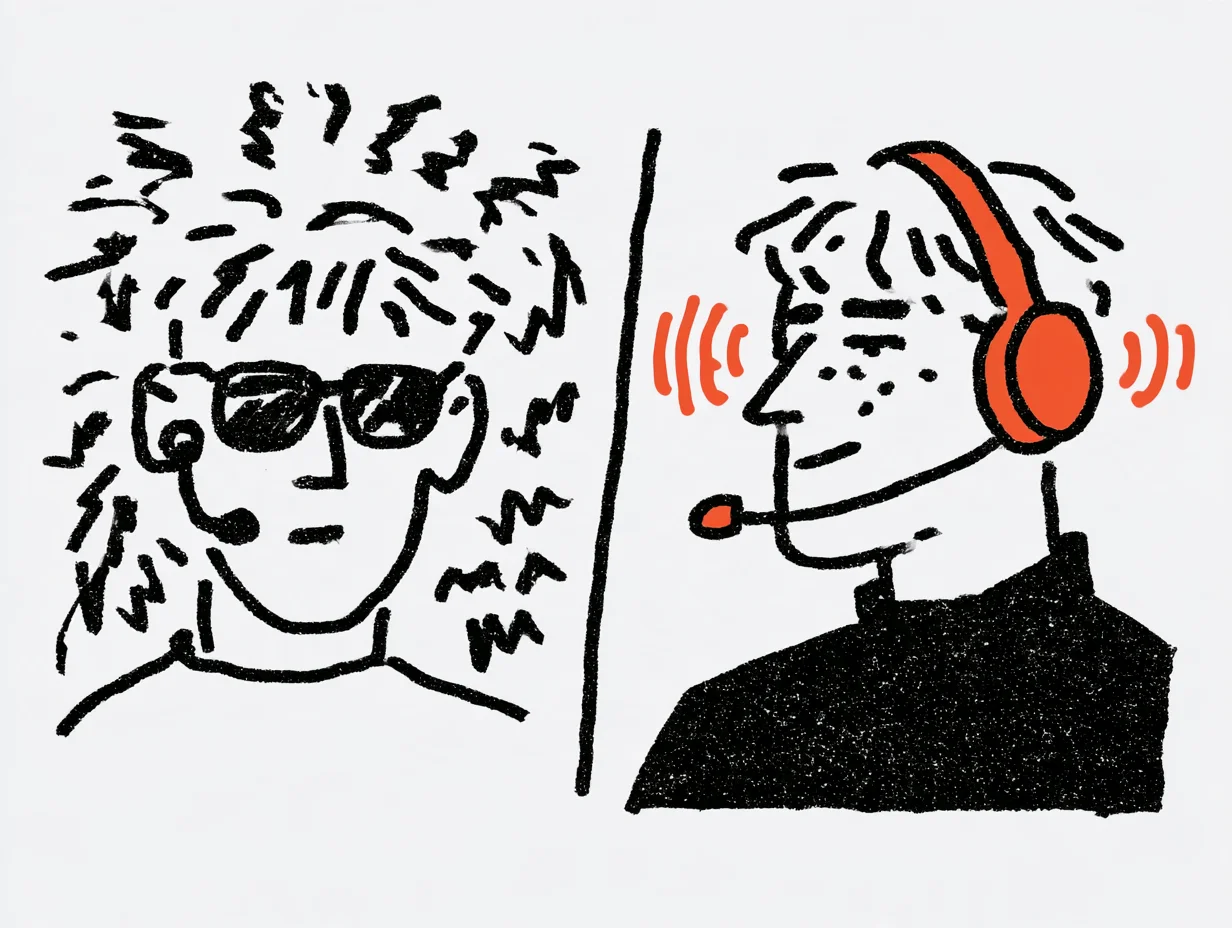
“When the name of the core technology our company had spent years developing appeared on screen as a completely unrelated common noun, my heart practically stopped with it. The overseas buyers watching online could not understand what we were talking about at all.”
It is the kind of horror story that anyone who has organized a global conference or multilingual webinar can relate to. Months of late nights spent perfecting a presentation—and an event backed by a massive budget—can instantly turn into a comedy show because of a single disastrous captioning error.
When this happens, we usually blame the stenographer or the performance of the AI captioning solution. But here is the hard truth: most critical mistranslations and typos are actually caused by an empty glossary, chaotic audio, and speakers who cannot be slowed down.
Want to stop a single mistranslated word from killing the mood at your global event? Make sure event organizers and speakers complete this “3-Step Caption Error Prevention Checklist” in advance.
🚨 The Four Villains That Tank Caption Quality
Before looking at the solutions, let us meet the four enemies guaranteed to overwhelm both AI systems and human captioners.
- “What Are They Even Talking About?” (No Background Information): If an internal abbreviation, unreleased product name, or highly specialized industry term suddenly appears, neither AI nor a human captioner has enough context to interpret it accurately. At that point, they are practically forced to improvise.
- The Curse of K-Context (Context-Dependent Metaphors): Expressions such as “We hit a home run” or culturally specific proverbs and wordplay can easily confuse AI caption translation systems when they appear without warning.
- Mumbling and Static (Poor Audio Quality): Microphone feedback, background noise, and unclear pronunciation are all fatal to STT—or speech-to-text—accuracy.
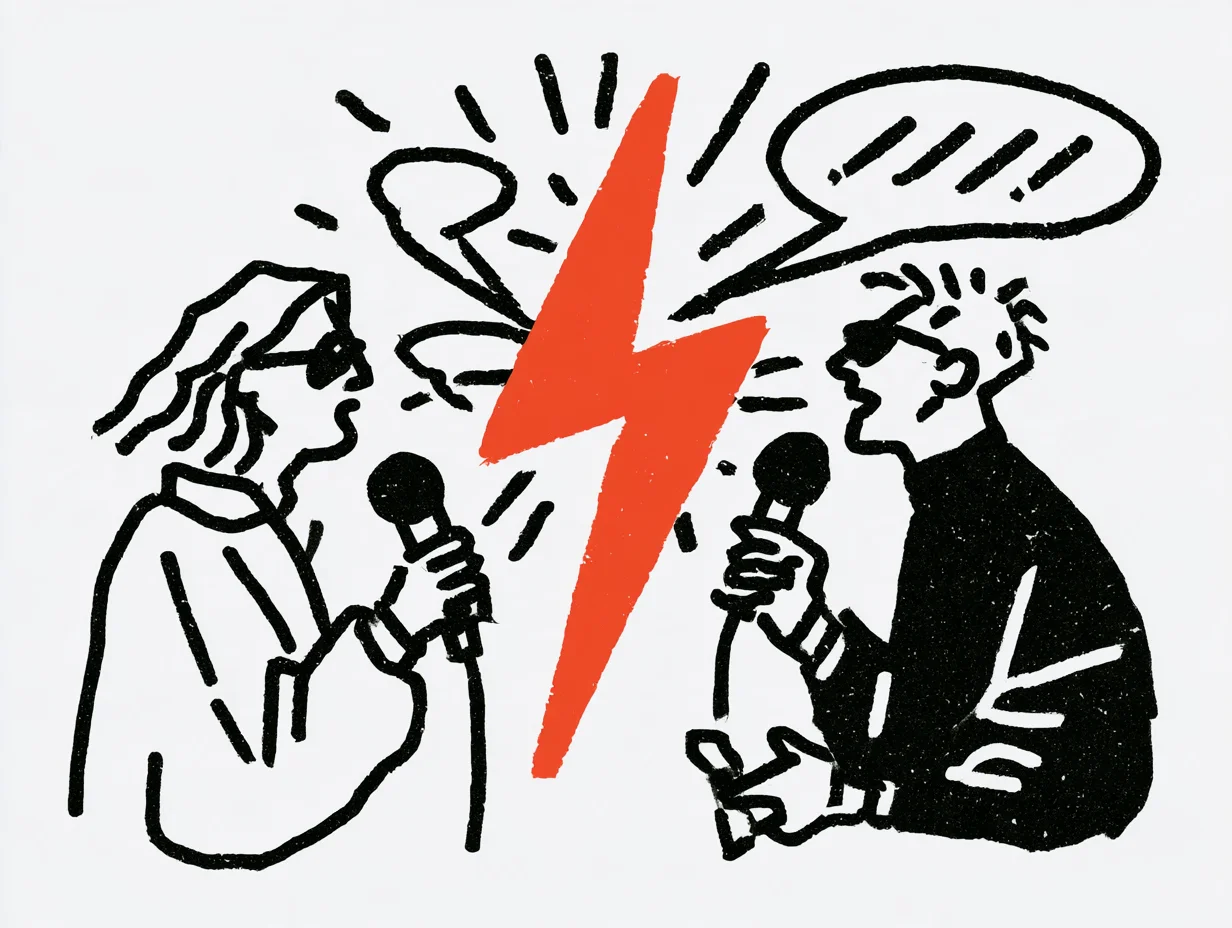
- “Are You Auditioning for a Rap Show?” (Uncontrolled Speaking Speed): When speakers rush through a script because they are running out of time—or several panelists speak over one another—human captioners experience cognitive overload, while AI systems begin producing recognition errors.
🛠️ Caption CPR: The 3-Step Checklist That Lets Event Managers Hard-Carry the Show
Now that we have identified the villains, it is time to build your defenses.
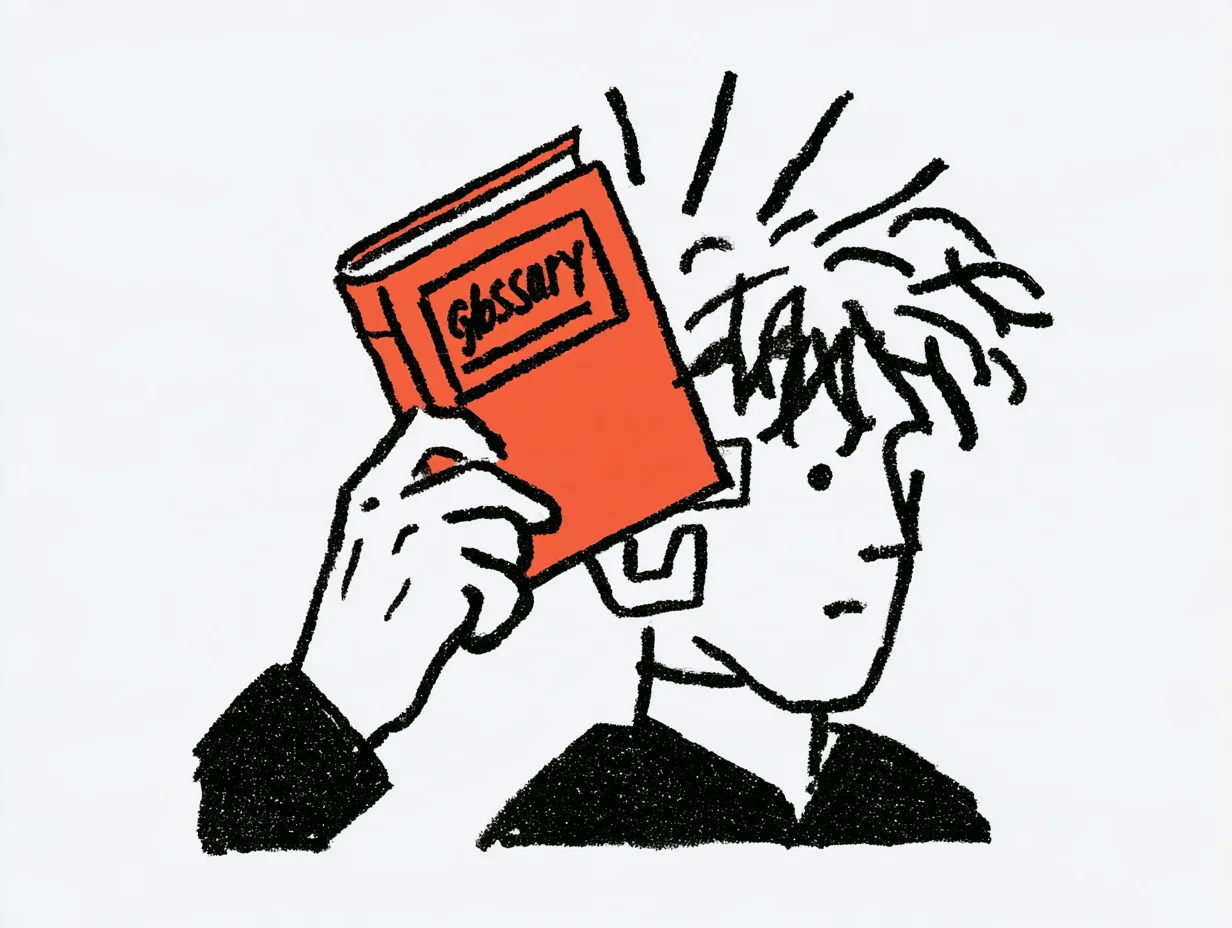
STEP 1. Stop the AI From Guessing: Build a Bigger, Better Glossary
A well-prepared glossary is the single most powerful tool for preventing captioning errors. Forget the idea that “the AI will figure it out from context.”
- List Every Essential Term: Company names, department names, new product names, project code names, industry terminology, and internal abbreviations must all be included.
- Explain Abbreviations Clearly: Unless an abbreviation is as universally recognized as “TBA” or “ROI,” include both its full name and its meaning.
- Train the System Early: If you are using an AI captioning solution, upload the glossary—such as an Excel file—several days before the event so the system can assign greater weight to those terms.
- Prepare Everything at Least Three Days in Advance: Presentation decks and speaker scripts should be shared at least three days before the event. Even early drafts are useful because understanding the overall context is what matters most.
STEP 2. Clear Audio Means Better Captions: Follow the Direct Line-In Rule
“If the system can hear it clearly, it can caption it accurately.” If human ears cannot understand the audio, neither can an AI engine. For hybrid events in particular, the online broadcast audio setup must be treated as mission-critical.
- Capture Clean Audio: Picking up sound from venue speakers through a camcorder microphone as ambient audio is one of the worst possible setups. Instead, connect the audio mixer directly to the online captioning console or AI system using a dedicated line-in connection.
- Secure Every Microphone: If a speaker moves around the stage while wearing a lavalier microphone, position and secure it carefully to prevent rustling noises from clothing. A fixed podium microphone or headset is often the safest option.
- Rehearse Under Real Conditions: Do not settle for saying “Check, one, two” in an empty venue on the morning of the event. Account for how the acoustics will change once the room is full, and test caption audio through the actual broadcast platform, such as Zoom or Microsoft Teams.
STEP 3. “Speakers, Please Follow These Rules”: Caption-Friendly Presentation Etiquette
Event managers should provide every speaker with the following “Multilingual Captioning Session Presentation Guide” in advance—politely, but firmly.
- Slow Down by 15% and Pause for Two Seconds: Ask speakers to talk about 10–15% more slowly than usual. When changing slides or moving to a new key topic, they should pause intentionally for one to two seconds. This gives the captioning engine time to process the previous sentence and allows the audience to finish reading it.
- Confiscate the Culture-Specific Dad Jokes: Expressions such as “The ground becomes firmer after the rain” or “It is the bottom of the ninth with two outs” may leave audiences from other cultures completely confused. Use direct language and globally accessible comparisons instead.
- Say Critical Information Loudly and Clearly: Figures such as revenue, years, and key product names must never be miscaptioned. Pronounce them slowly and clearly, and display them prominently on the presentation slide as well.
💡 The Final Piece of a Flawless Event
Even the world’s best stenographer—or the most advanced GPT imaginable—cannot deliver perfect real-time captions without proper preparation. Smooth, error-free captions at a global hybrid event require more than strong technology. They only become possible when the organizer provides a detailed glossary and establishes a clean, direct audio environment.
Hosting an event packed with highly specialized terminology? Instead of correcting every term manually, consider a dedicated AI solution that can learn a customized glossary and apply it to the system immediately. It may be the best way to protect both caption quality and your team’s work-life balance.

🏃 Start Planning a Multilingual Event Without the Captioning Stress
If you need an AI assistant that understands your company’s terminology and delivers stable real-time captions, work with Hudson AI Live. Simply provide the event name, date and time, and the number of online and on-site attendees. We will recommend a customized setup and operating plan designed to minimize captioning errors.
Run your next event without booths or receivers
Tell us your event name, dates, expected headcount, and target languages, and our team will put together the plan that fits.