
Why Text Translation Apps Aren't a Legal Shield for Logistics Safety
This article explains why relying on text-based translation apps to deliver safety instructions to foreign workers in logistics and industrial environments can create critical gaps in compliance with Korea's Serious Accidents Punishment Act. It also explores how an audio-first multilingual communication network can help workers receive urgent safety instructions without taking their eyes off the worksite.
- You showed foreign workers safety instructions through a translation app and even got their signatures. So why can a company still fail to avoid legal liability when an accident occurs?
- Because making workers read "text" in a dangerous environment filled with forklifts and heavy machinery is practically no different from telling them to "work with their eyes closed."
- Here is how to build a complete "hands-free multilingual communication network" in a single day using nothing more than the smartphones and earphones workers already carry—without replacing expensive broadcasting equipment or radios.
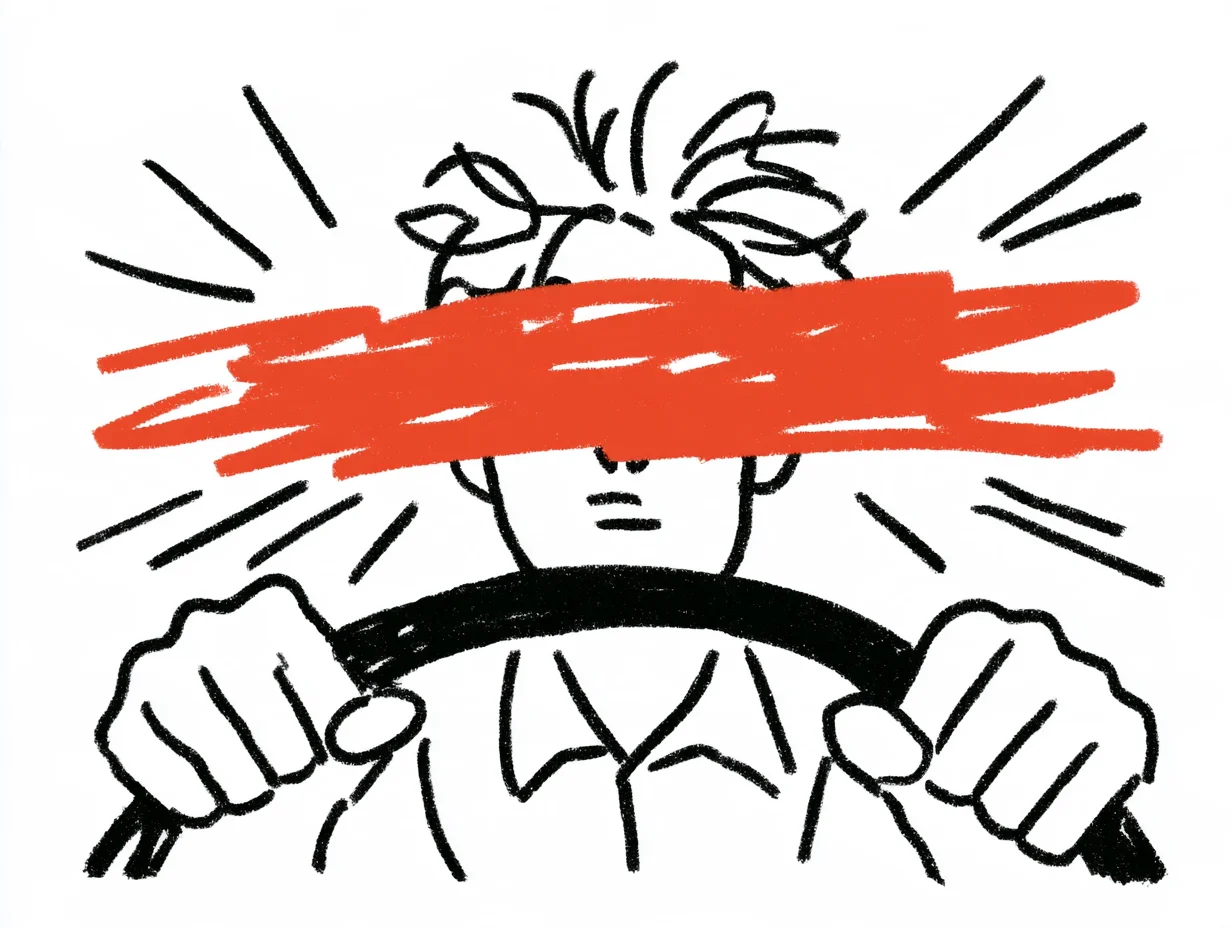
"Hey! Stop right there! Stop!!"
At the loading dock of a logistics center, a forklift reversing between storage racks nearly struck a worker who had just stepped into its path. The site supervisor turned pale and screamed at the driver to stop, but the driver, who was from Mongolia and could not understand Korean at all, continued reversing.
Fortunately, the forklift stopped just inches away. The entire site immediately descended into chaos.
When the safety management team was questioned afterward, their response was astonishing.
"We already turned on a translation app during the morning briefing, showed everyone the safety instructions, and made sure they signed the documents."
This is an excuse you hear surprisingly often at fulfillment centers where foreign workers make up more than half of the workforce. The logic is simple: they showed the instructions through a translation app such as Google Translate or Papago, so they believe they have fulfilled their responsibility.
But if that forklift had actually hit someone, could they say the same thing in front of a judge?
If a company believes that saying, "We showed them everything through a translation app," will shield it from liability under Korea's Serious Accidents Punishment Act, that is a dangerous misconception.
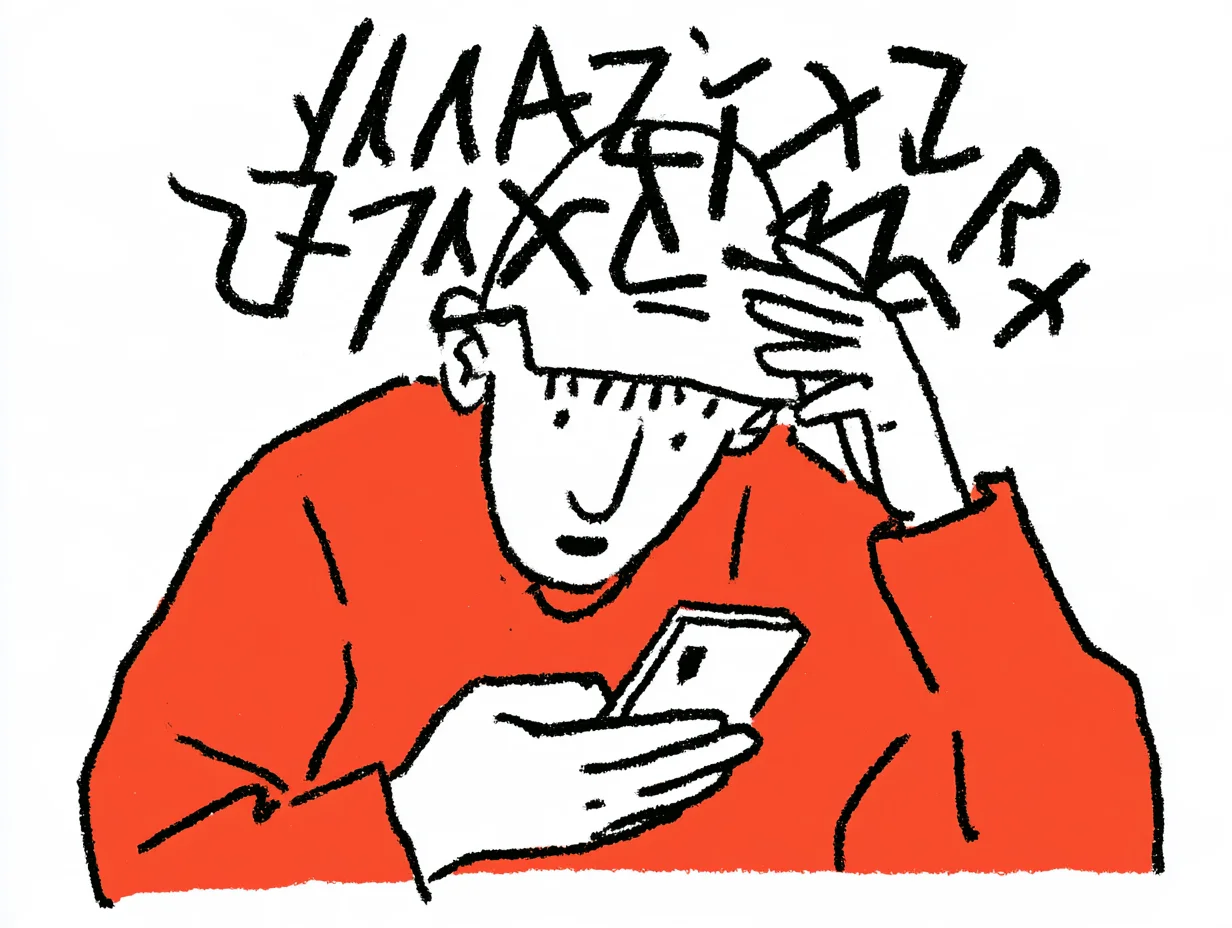
🚨 Does It Really Make Sense to Look at a Smartphone While Driving a Forklift?
When operating a forklift, working at height, or standing in front of a continuously moving conveyor belt, keeping your eyes on the work area is essential.
Looking away for even a single second can lead to a serious accident.
So what happens if safety instructions are delivered through a "text translation app" in this kind of environment?
For the three seconds it takes a forklift driver to pull out a smartphone and read translated text, the vehicle is effectively moving forward blind.
A translation app introduced to improve safety can instead become a hazard by taking the worker's eyes off the environment.
When police officers or labor inspectors arrive after an accident, documents showing that workers "read translated instructions and signed them" are not the only thing that matters.
The more important question is this:
"Was there actually an environment in place where workers could communicate immediately when danger occurred?"
A supervisor shouts. A phone converts the warning into text. The worker stops what they are doing, lowers their head, and looks at the screen.
During that slow process, the critical window for preventing an accident may already be gone.
By the time the worker finishes reading the text, it may already be too late.
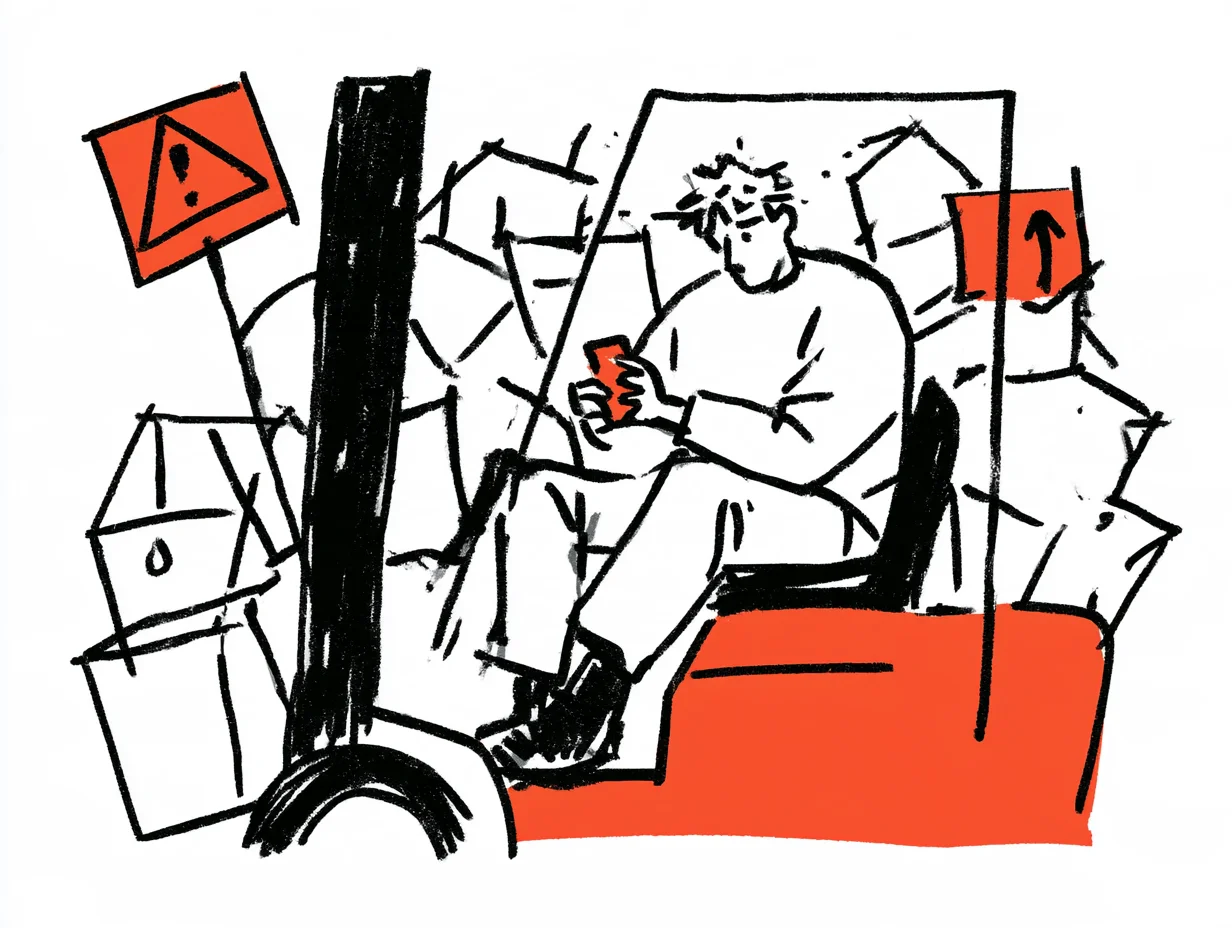
🎧 Remove the Screen and Deliver the Message Directly to Their Ears
If you want to improve workplace safety while reducing legal risk, the first thing to remove is the screen that steals workers' attention.
Their hands should remain free, their eyes should stay on the cargo and traffic around them, and safety instructions should reach them through audio.
This is one reason real-time Speech-to-Speech interpretation, or STS, is gaining attention as a new standard for multilingual communication in logistics environments.
The smartphone stays in the worker's pocket.
The worker simply wears a Bluetooth earphone and continues working.
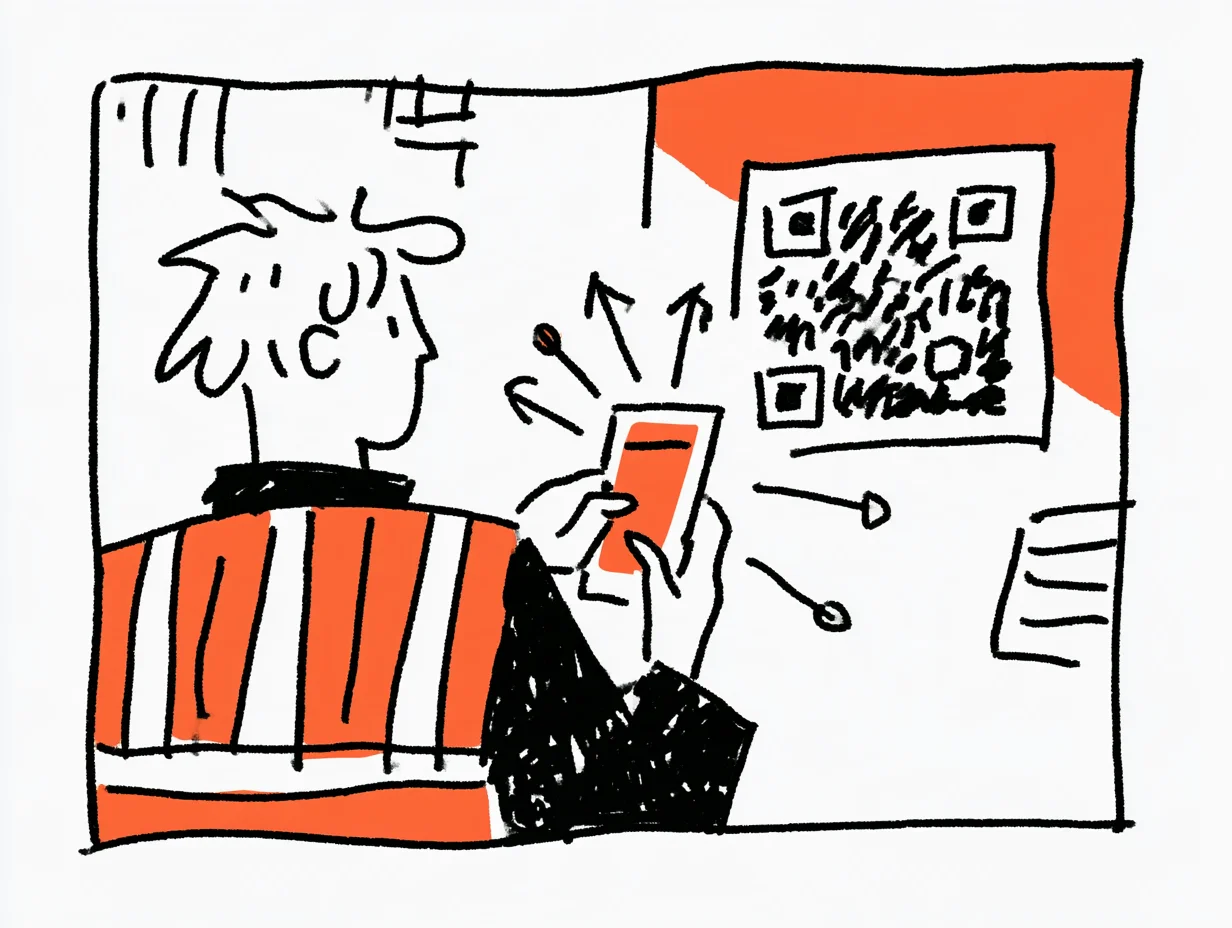
"There is someone on your right. Stop!"
When this short, urgent warning is delivered instantly through the worker's earphones in Mongolian, Vietnamese, or another language, true real-time emergency response becomes possible.
📱 Do You Need to Replace Every Radio? One QR Code Is Enough
When companies hear the phrase "multilingual interpretation network," they often assume they will need to install an expensive centralized broadcasting system or purchase separate radios for workers of different nationalities.
But with a session-based real-time interpretation solution such as Hudson Live, there is no need to purchase new hardware.
You can simply change the way your morning briefing is conducted.
- Open a session: The site manager or supervisor opens a "Today's Safety Broadcast" session on a smartphone or PC.
- Scan without installing an app: Foreign workers scan a QR code posted on the wall while changing into their work clothes. There is no need to force them to install a separate app.
- Put the phone away: Each worker wears a low-cost Bluetooth earphone they already use and puts the phone back in their pocket.
- Broadcast to 100 workers simultaneously: The supervisor speaks into a microphone in Korean. Up to 100 workers can then hear the same safety instructions simultaneously in the language they selected, such as Vietnamese, Khmer, or Uzbek, with minimal delay.
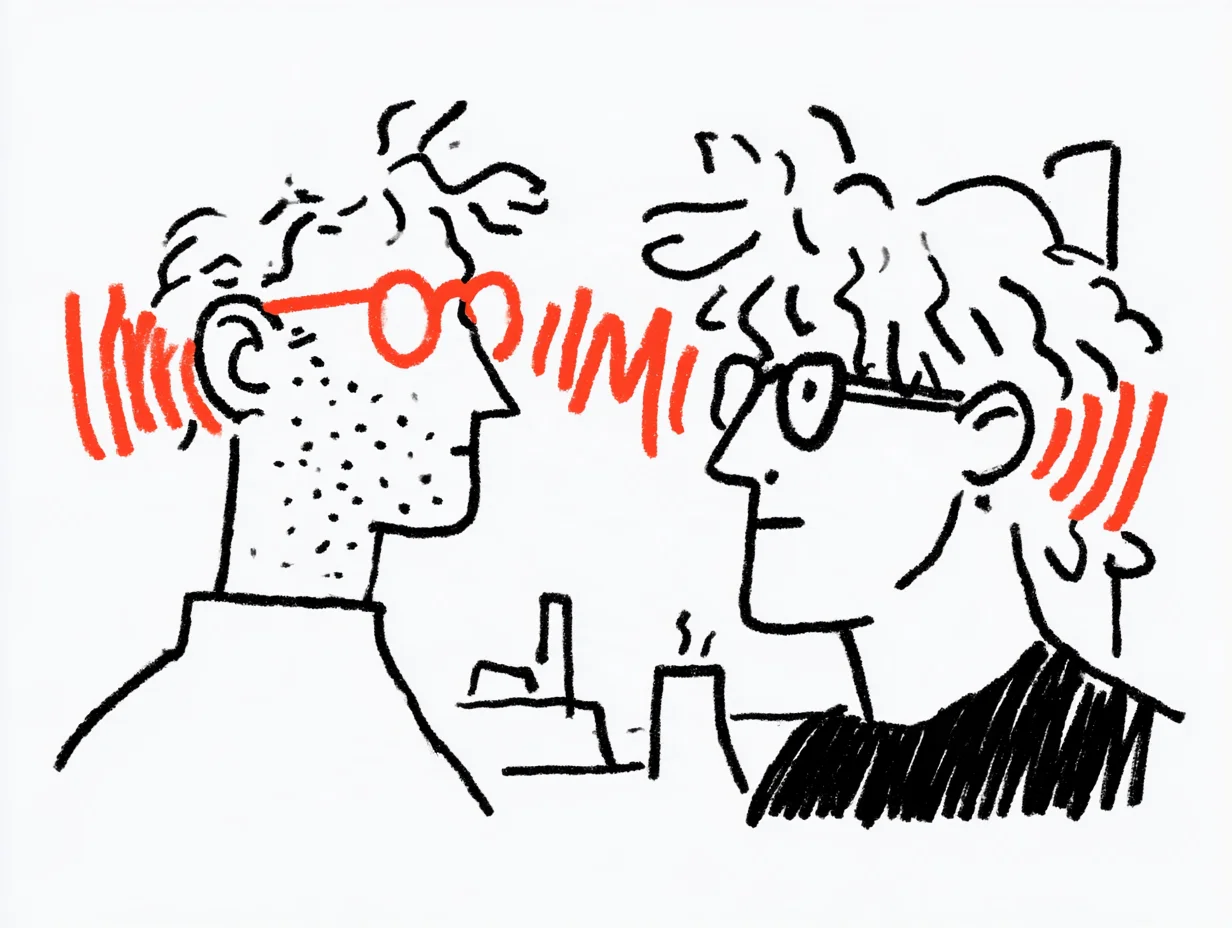
One reason Korea's Serious Accidents Punishment Act is so significant is that companies cannot rely solely on paperwork created to protect themselves after the fact.
What matters is whether the people working on-site were actually able to recognize danger and respond to it immediately.
Do not force workers to stare at dangerous smartphone screens simply because of language barriers or budget limitations.
Without adding cumbersome hardware, a multilingual communication environment can be set up using the smartphones and earphones workers already have.
A safety instruction delivered directly to someone's ear is far more effective than a written excuse left behind after an accident.
Improve workplace safety and reduce communication-related legal risk by introducing Hudson Live today.
Run your next event without booths or receivers
Tell us your event name, dates, expected headcount, and target languages, and our team will put together the plan that fits.