
Choosing the Right AI Voice Technology for Your Commercial Videos: TTS vs. STS
This article explains the differences between text-to-speech (TTS) and speech-to-speech (STS) technology, helping content marketers and creators choose the right commercial AI voice solution for high-quality video production.
- ❓ Tired of paying for expensive voice talent—or being disappointed by robotic AI voices?
- 💡 Choose the technology that fits your content: TTS (text-to-speech) for straightforward information delivery, or STS (speech-to-speech) for expressive vocal performances.
- 📈 Remove video production bottlenecks and improve quality with AI voice technology that makes content creation more efficient and helps your business scale.

You have spent dozens of hours carefully editing a corporate promotional video. The visual effects are polished, the transitions are seamless, and everything looks just right. But once you add the narration, something feels off. Budget constraints led you to use a free AI voice instead of a professional voice actor, and its robotic intonation and awkward emotional delivery undermine the credibility of the entire video.
In a world overflowing with video content, audio quality that captures the viewer’s attention has become essential. Yet hiring voice talent for every project takes time and money, while navigating the countless AI voiceover platforms—and figuring out which ones are safe for commercial use—can feel overwhelming. As technology lowers the barriers to creative production, the Hudson Live team shares a clear framework for understanding AI voice technology and putting it to work.
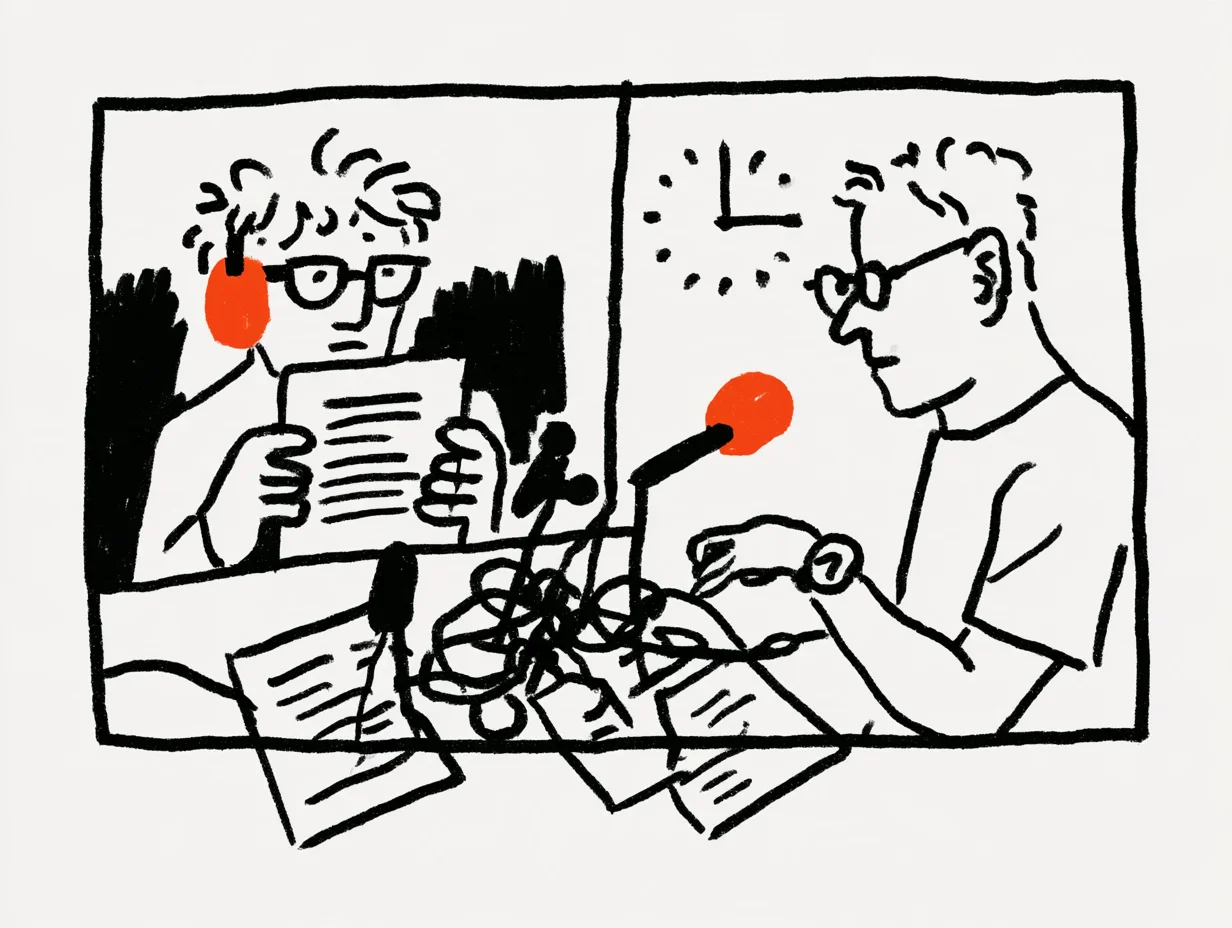
🚨 Production Pain Points: “Robotic Voices, Confusing Usage Rights—Where Can I Find the Right Voice for My Video?”
For content planners and video editors, audio production presents challenges that run deeper than they might first appear. Hiring a professional voice actor involves several steps. Reviewing voice samples, booking a studio, and coordinating recording schedules can take days. If even a single line of the script changes after recording, additional fees and another recording session can quickly become a headache. This is a major bottleneck that slows down content production.
Free or low-cost AI voiceover tools offer an accessible alternative, but the results often fall short. Intonation that mechanically reads the text without understanding its context can put viewers off. In brand storytelling videos and dramatic short-form content, where emotional delivery matters, this awkwardness can be especially damaging. Even after finding an AI voice they like, creators face another question: can they use it in monetized YouTube videos or corporate promotional content? Commercial usage terms vary from platform to platform, leaving production teams uncertain. The possibility of a copyright dispute adds another layer of concern.
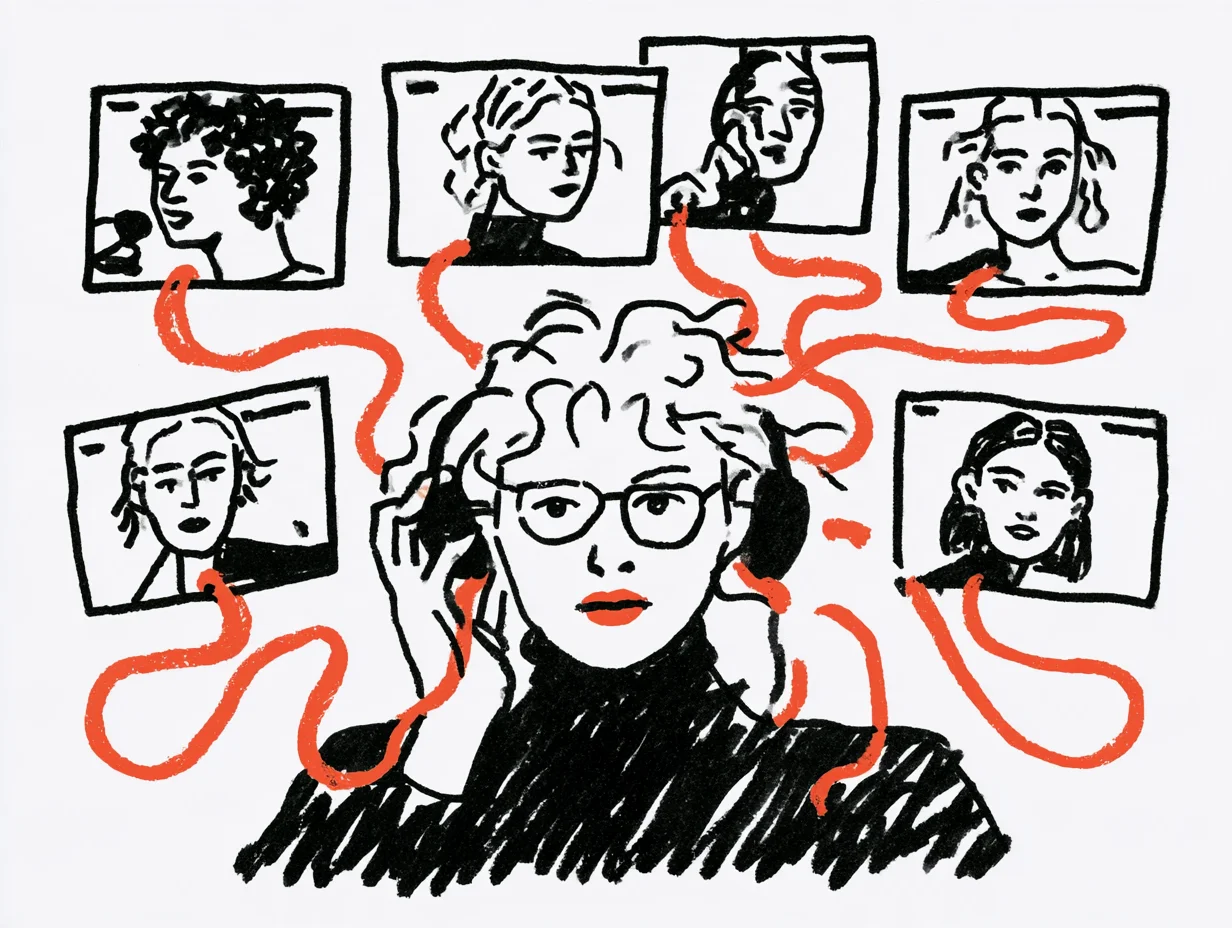
💡 The Evolution of AI Voice Technology: TTS Reads the Script, STS Carries the Emotion
To address these production challenges, AI voice technology has developed along two major paths. Achieving the right result starts with understanding the difference between TTS and STS—and choosing the approach that fits your purpose.
TTS (Text-to-Speech) analyzes a written script and converts it into a natural-sounding human voice. It is well suited to content where clear, accurate information delivery comes first, such as news updates, internal training materials, and informational YouTube videos. With just a script, you can generate high-quality narration in as little as a minute, significantly improving production efficiency. Advanced TTS systems also interpret context to produce appropriate pauses, phrasing, and breathing.
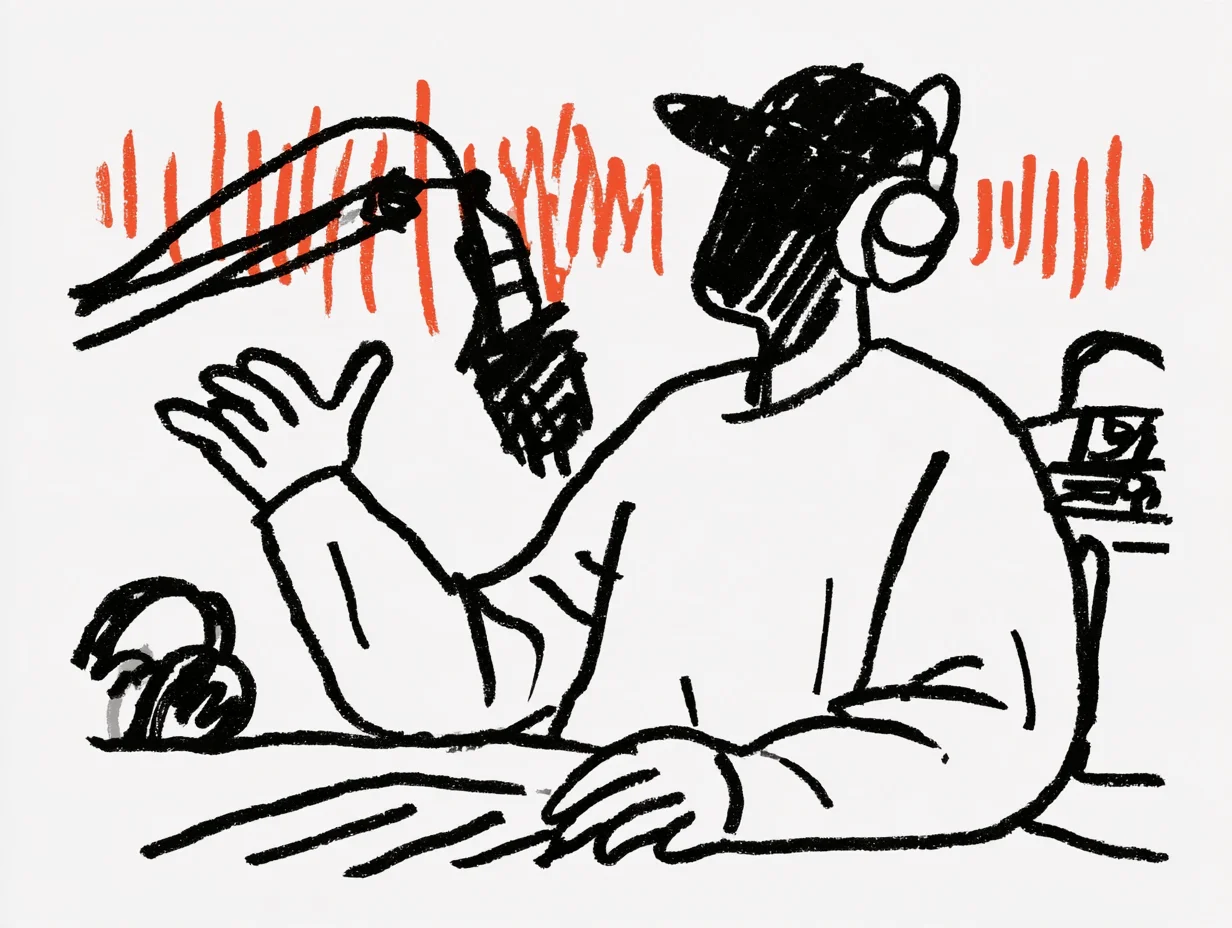
STS (Speech-to-Speech), on the other hand, goes beyond reading text. It transforms audio spoken into a microphone into a different voice—that of an AI voice actor—with some systems supporting real-time conversion. By preserving the speaker’s subtle vocal tremors, sighs, intonation, and emotional delivery while changing the voice itself, STS is particularly valuable for content that calls for a performance. It excels in applications that require nuanced expression, including faceless YouTube channels, character dubbing, and emotionally driven web dramas. Leading commercial solutions also offer domain-specific customization to help pronounce specialized terms, such as IT terminology or medical vocabulary, more naturally, further strengthening a brand’s audio identity.
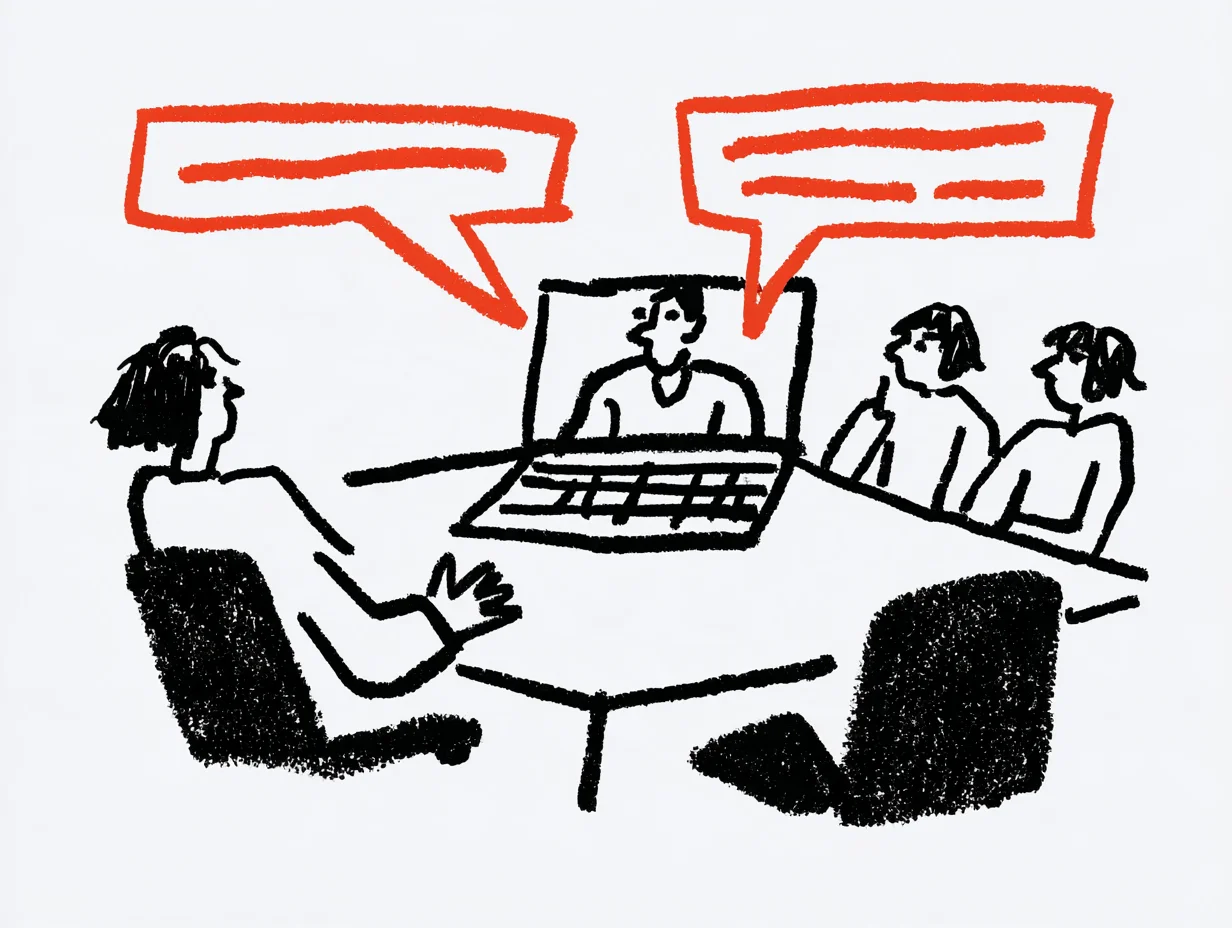
👏 A Shift in Production: “Creating Immersive Content Without Booking Voice Talent”
Production teams that apply AI voice technology where it fits are seeing fundamental changes in how they work. For those responsible for internal training videos, script revisions become far less stressful. When a policy changes, they can edit the text and generate an updated voiceover file in as little as ten seconds. There is no need to coordinate another session with an external studio; the entire process can be handled at their desk.
Creators are also discovering new possibilities. One YouTuber, concerned that their thin, high-pitched voice lacked authority, used STS to transform it into a deeper broadcast-style voice while retaining their original intonation and energy. The change helped increase views and viewer retention. Corporate marketing teams pursuing international audiences are also shortening production timelines and reducing costs. Solutions that turn Korean-language videos into multilingual audio with locally appropriate intonation and emotional delivery reduce the time and expense previously required to hire native-speaking voice talent.
📈 Building a More Efficient, Scalable Content Business
Professional voice solutions do more than simplify production: they can reshape how a content business operates. Replacing traditional audio post-production expenses, such as studio rental and voice talent fees, with subscription-based SaaS services can help optimize costs. Those savings can then be invested in stronger visuals or marketing campaigns, improving the overall competitiveness of the content.
AI voice technology also opens up greater scalability in a fast-moving media environment. A workflow that generates narration alongside script development can support the production of multiple high-quality videos each day. It also enables an OSMU (One Source, Multi Use) strategy, adapting a single original audio recording into different languages and vocal styles. Ultimately, a distinctive, consistent AI voice can create a unified brand experience (UX) across YouTube, webinars, podcasts, and other audience touchpoints, helping build lasting viewer trust.
🌏 Closing Thoughts: When Audio Shapes the Success of Your Content
Striking visuals may capture a viewer’s attention, but it is often the voice that keeps them watching and makes them feel something. AI voice technology has moved beyond mechanically reading text aloud, becoming a powerful creative companion capable of reproducing the nuances of human breathing and emotional expression.
Start by identifying what your content needs most: clear information delivery or a deeper emotional connection. Then choose the TTS or STS technology that serves that purpose. With more creative freedom at your fingertips, you can focus on the story only you can tell.

💬 Wondering which AI voice is right for your brand’s content?
Move beyond the challenges of audio production and elevate your videos with advanced AI TTS & STS technology.
Hudson Studio offers an enterprise-grade AI dubbing solution with fully assured commercial usage rights.
Bring studio-grade audio separation to your workflow
Separate vocals, dialogue, and instruments at scale, with full API access. Talk to our team to get started.